Plomby po bělení: Co se stane s plombami a jak se k nim chovat
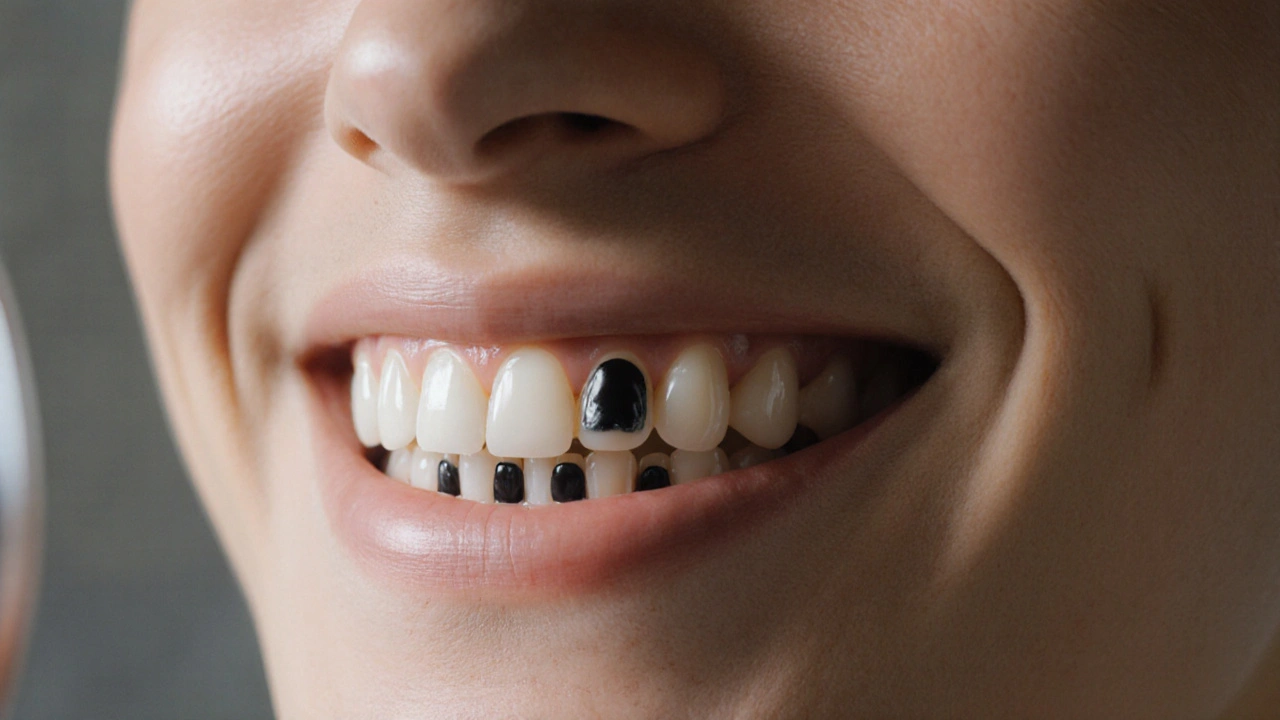
When you bleach your teeth, plomby po bělení, zubní plomby jsou materiál, který nebere bělící gel a zůstává ve své původní barvě. Also known as fillings, they don’t change color like natural enamel. This means after bělení zubů, your fillings might stand out as darker spots — and that’s completely normal. Many people don’t realize this until they see their smile in the mirror after treatment. If you’ve had white fillings before, they might still look fine. But older, yellowish or grayish fillings? They’ll stay that way — no matter how bright your teeth get.
It’s not just about looks. A mismatch between your natural teeth and fillings can make you self-conscious, especially when you smile or talk. That’s why people often ask: "Co dělat, když po bělení vypadají moje plomby špatně?" The answer isn’t to bleach again — it’s to replace them. But not right away. Wait at least two weeks after bělení zubů. Your teeth can still be sensitive, and the final shade might shift slightly. Let them stabilize first. Then, visit your zubní lékař to check which fillings need replacing. You don’t need to swap all of them — just the ones that are visible when you smile. Front teeth? Definitely. Back molars? Maybe not.
Some fillings are easier to replace than others. Composite fillings — the white ones — can be swapped out quickly, often in one visit. Amalgam fillings? Those are older, silver ones. They’re not usually replaced just for aesthetics, unless they’re cracked or leaking. But if you’re doing a full smile makeover, your dentist might suggest replacing them for a uniform look. And yes — you can choose the exact shade of white you want for your new fillings. Your dentist will match them to your newly bleached teeth, so everything blends in naturally.
Don’t fall for the myth that "bělení zubů odstraní plomby" — it doesn’t. And don’t try to fix it yourself with whitening strips or toothpaste. Those won’t touch fillings. They’ll just make the contrast worse. If you’re planning bělení zubů, talk to your dentist first. Tell them you have fillings. They’ll show you what to expect and help you plan ahead. Some people choose to replace fillings before bleaching — especially if they’re large or dark. Others wait. Both work. It’s about timing and your goals.
And what about crowns, veneers, or onlays? Same rule applies. They don’t bleach. If you’re thinking about cosmetic work, plan everything together. Don’t bleach first and then wonder why your veneers look off. It’s not a mistake — it’s just a mismatch in timing. The best results come when you treat your teeth as a whole system, not just the surface.
Below, you’ll find real-life advice from people who’ve been through this. From what to ask your dentist, to how much it costs to replace fillings after bleaching, to why some people regret waiting too long. You’ll also see what happens when you ignore the problem — and how simple fixes can bring back your confidence. This isn’t about marketing. It’s about knowing what’s real, what’s fixable, and what you can do right now to get a smile you actually like.
Jak vybělit plomby: realistické možnosti a co skutečně funguje
Plomby se nevybělují - žádný gel, pastička nebo domácí prostředek to nezvládne. Pokud máte tmavé plomby po bělení zubů, jediné řešení je jejich výměna. Zjistěte, jak to funguje a co dělat, abyste dosáhli přirozeného bílého úsměvu.
Pokračovat ve čtení